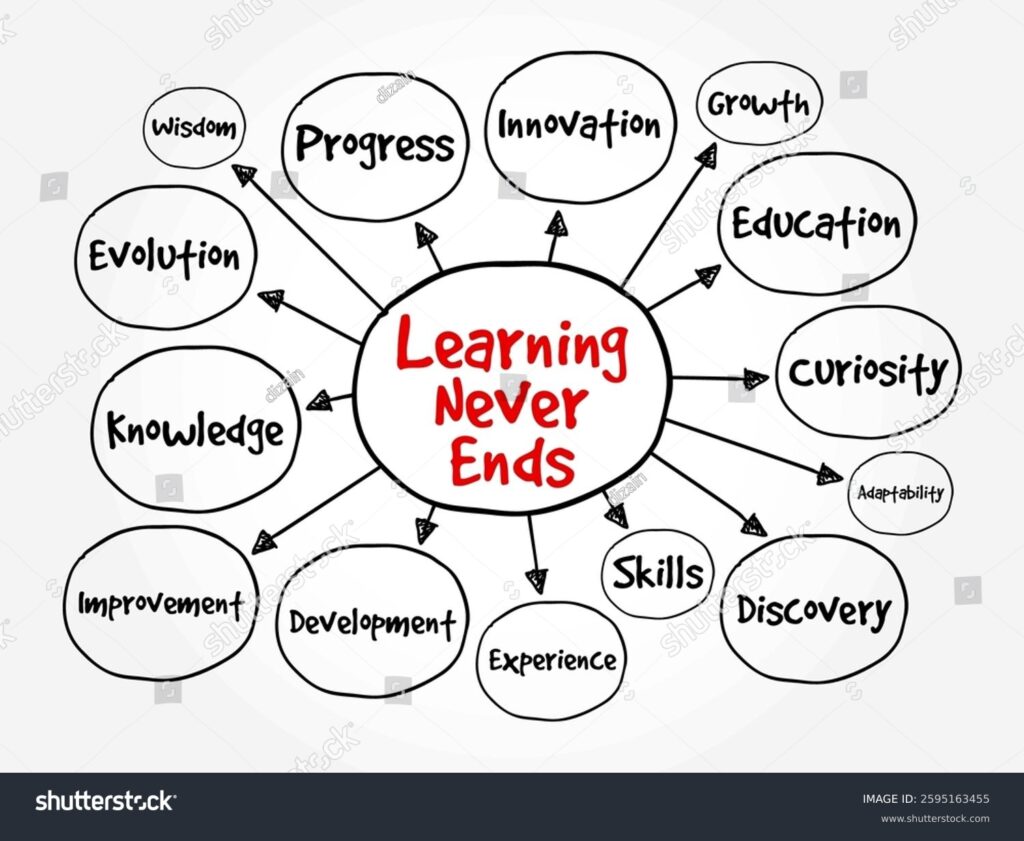
Education is the foundation of a progressive and sustainable society. It equips individuals with knowledge, skills, and values that enable them to contribute meaningfully to their communities. Beyond academic learning, education fosters critical thinking, creativity, and problem-solving—qualities essential for personal and social development.
A well-educated population drives economic growth by creating a skilled workforce capable of innovation. Countries that invest in education often experience lower unemployment rates, improved health outcomes, and greater social stability. Education also promotes equality by providing opportunities regardless of background, gender, or economic status.
In addition to economic benefits, education plays a vital role in shaping moral and civic responsibility. Schools and universities help individuals understand social norms, cultural diversity, and ethical behavior. This awareness encourages tolerance, respect, and cooperation in increasingly diverse societies.
Moreover, education empowers individuals to make informed decisions about their lives, from career choices to health and civic participation. Literate and educated citizens are more likely to engage in democratic processes and advocate for positive change.
In essence, education is not merely a pathway to employment—it is a powerful tool for societal transformation. By prioritizing education, societies lay the groundwork for long-term prosperity, peace, and innovation.